Embarking Agriculture Drones
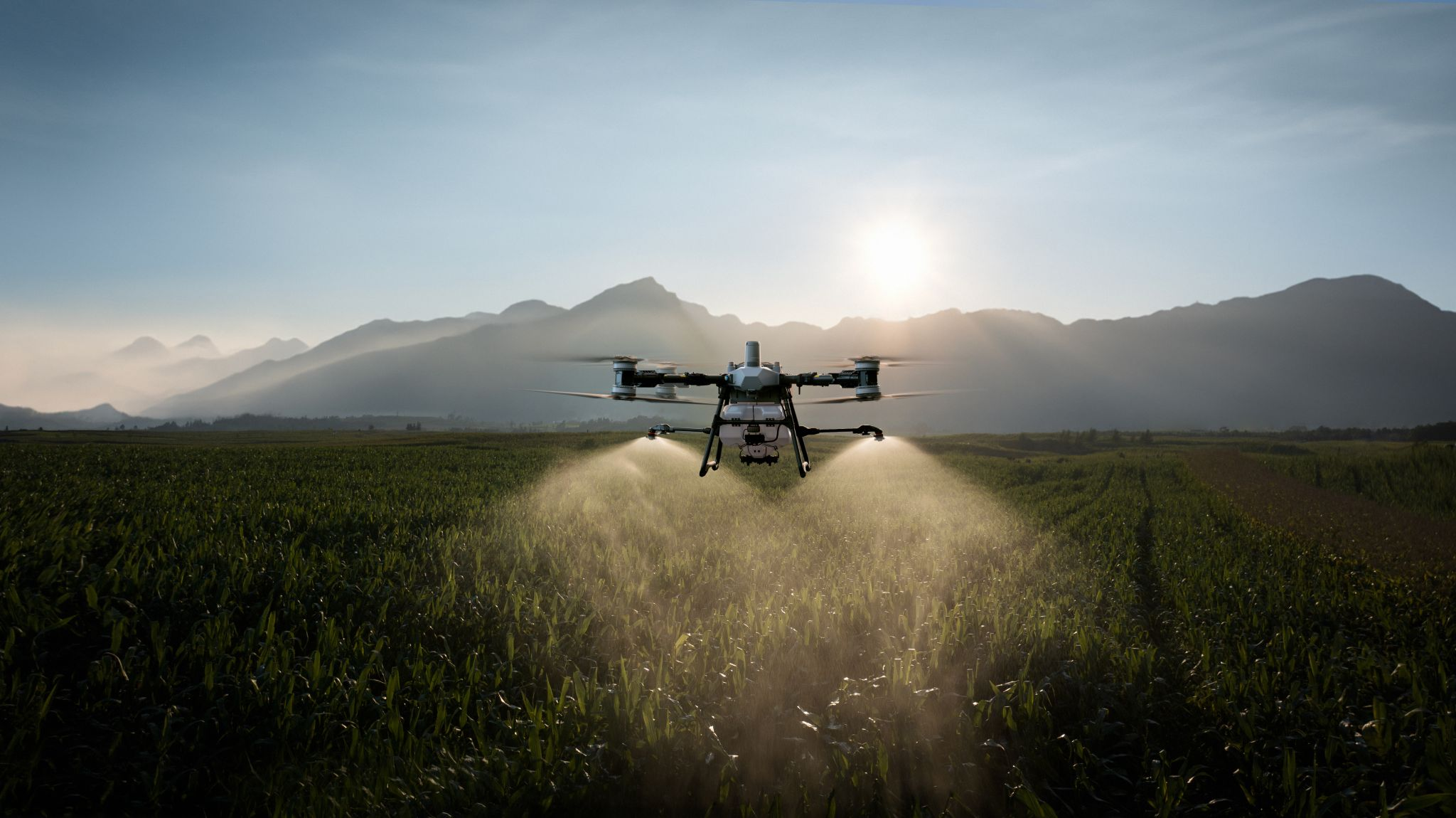
That DJI Agras symbolizes a major revolution in latest cultivation procedures. Such advanced drones are crafted to systematically disperse chemicals and other necessary components to plantations. Employing detailed innovations, the Agras series cuts human resources expense, improves gains, and supports environmentally friendly agronomy processes. Farmers can now reach improved categorization and spread in their plant care procedures thanks to this innovative development.
Horticultural Aerial Vehicles: A Husbandman's Manual to the DJI Agras Collection
This DJI Agras collection delivers a considerable leap in precision agribusiness tools, equipping cultivators a dynamic resource for increasing farm results and lessening operational charges. The UAVs are deliberately designed for spreading crop enhancers, delivering a prompt and precise process than conventional ways. The Agras series contain various designs, each fitted for specific field dimensions and species types. A summary a short outline:
- Agras T Series: Recognized for their concise configuration and maneuverability, excellent for limited fields and complex terrain.
- P variants: Sturdy machines fabricated for extensive areas, allowing increased payload and distribution volume.
- V variants: Produced for orchard management, with distinctive features supporting movement in tangled environments.
In the end, integrating a DJI Agras aerial system into your enterprise can produce exceptional successes in productivity and eco-consciousness. Correct guidance and compliance with jurisdictional protocols are paramount for dependable and competent operation.
Increasing Harvests: How DJI Agras-like Spraying UAVs are Changing Agriculture
A crop field is witnessing a notable transformation, motivated by leading-edge techniques. Spraying drones, especially models like the DJI Agras, are modernizing how plant managers administer their terrains. These hardware provide remarkable exactness in distributing pesticides, constraining waste and improving plant yield. Operating via flying, they treat larger expanses hastily and with advanced exactness, producing louder crop yields and a more sustainable way of up-to-date farming approaches.
Agras drones vs. Customary Emission: Effectiveness and Ecological Strengths
Agriculturists are more and more considering DJI Agras as an different to manual spraying procedures. The effectiveness improvements are substantial; drones can address grounds noticeably brisker than ground-based equipment, decreasing workforce outlays. Moreover, precise delivery abilities check pesticide leakage, bringing about a mitigated carbon footprint and bolstering more green cultivation methods.
Advancing UAV Growth: Real-World Functions of the the Crop management UAVs
Specific DJI Agras lineup is quickly securing support across various arenas, substantiating its ability for modernizing crop procedures. From detailed application of weed killers in enormous farmlands to competently tracking plant vitality, and refining harvests, the Agras suite furnishes a considerable advantage over old modes. Usages feature its implementation in hydrated grain harvesting across the East, tree fields in Western Europe, and soybean cultivation in Southern Southern hemisphere, stressing its versatility and international reach.
Certain Future Related to Farming: Studying Selected Capabilities For Agricultural UAVs
A plantation domain is set for a notable advancement, mainly by reason of the adoption use engaging aerial vehicles. Such advanced machines offer exceptional abilities, such as precision mapping of farms, specific dispersion of fertilizers and pesticides, and thorough monitoring of crop health. Additionally, they deliver attenuation of labor investments and amplification of overall outputs, at last reshaping the picture of contemporary farming methods.
Advanced Farming: Perfecting Chemical Feed Allocation with This Spraying platforms
Modern precision crop management is improving how cultivators manage nutrient broadcasting. The a Agras platform of remote aerials delivers unparalleled precision and competence in plant supplement dispersion. Leveraging high-tech scanning tools, these intelligent systems enable growers to scatter supplements precisely where warranted, curtailing loss and optimizing productivity. This strategy not only upgrades plantation profitability but also sustains sustainable crop production systems.
Assessing a DJI Agras: Outlays, Returns, and Revenue for Farmers
Securing a DJI Agras unmanned aerial platform constitutes a critical expenditure for multiple growers, but the projected benefits can approve the initial charge. The combined price includes the apparatus buying valuation, ongoing maintenance outlays, and preparation charges. However, these charges are often balanced by improved performance, cut personnel expenses, lessened treatment use, and optimized outputs. Ultimately, the monetary benefits depends on factors like plot extent, botanical kind, schedule, and site-specific working settings, with systematic planning and analytics scrutiny critical for augmenting profit and realizing a lucrative investment result.
Past Treatment : Diversifying the Handling of this Agras drones in Current Plant Cultivation
Regardless originally recognized for the crop treatment abilities, the DJI Agras demonstrates a higher potential inside modern plantation fields. Planters are now scrutinizing how these all-purpose platforms can be employed for tasks past simple herbicide treatment. This comprises specific seeding, dispensing cover ground cover, and even onset crop growth control via modern sensor devices, facilitating modernization in high-performing agribusiness methods.