Why Launch Rhythms Are Breaking Traditional Production Calendars: How Streetwear Brands Actually Scale in 2026?
If you have been talking to independent streetwear brands with real traction lately, you will notice a common frustration. It is not about finding someone who can sew a basic hoodie or cut a simple t-shirt. The real headache happens when a brand's creative ambition hits the rigid, inflexible wall of traditional fashion production calendars. Making clothes in this space is no longer just about completing a manufacturing task; it is about creating a recognizable collection that drops exactly when the culture is paying attention, with the right tactile feel and visual weight.
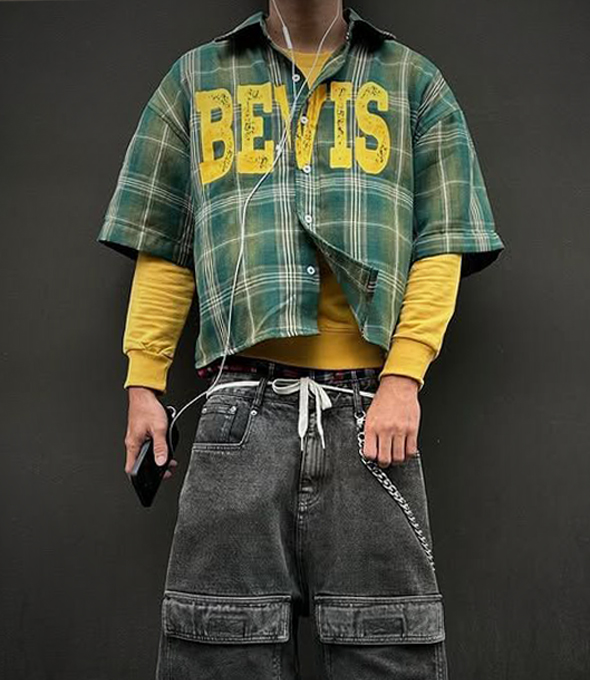
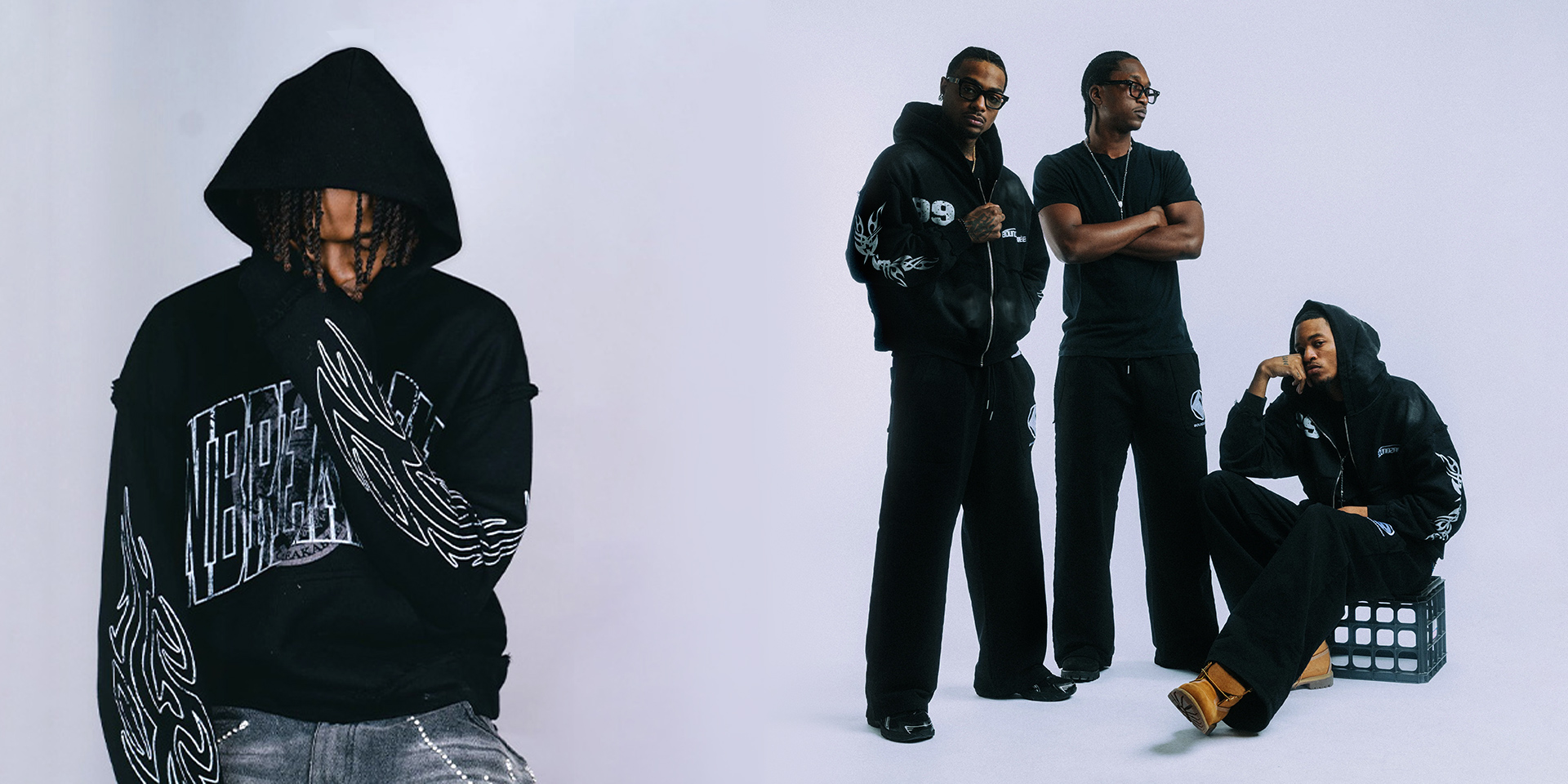
What sounds like a simple sourcing question often turns into a nightmare of delayed drops, compromised washes, and missed seasonal windows. Many brand teams find out too late that a factory looking highly capable on paper—maybe they have great machinery or a massive workforce—might completely collapse under the pressure of a modern streetwear launch rhythm. When you are dealing with a washed boxy hoodie, a cropped football-inspired jersey, distress-heavy zip hoodies, or flare denim with exaggerated stacking, the traditional 6-9 month apparel manufacturing cycle feels like it belongs in a different era. This is where the gap between generic clothing production and specialized custom streetwear development becomes painfully obvious, and where brands either scale successfully or get bogged down in endless sample iterations.
Why Does the Traditional Fashion Calendar Fail Modern Streetwear Brands?
The traditional fashion calendar fails modern streetwear brands because it was built for wholesale seasons, not high-frequency, culture-driven drops. Independent brands with real traction need agile production systems that can handle complex techniques like acid washing and heavy distressing without demanding a rigid nine-month lead time that kills market relevance.
The fundamental problem with the standard apparel production cycle is that it assumes a slow, predictable market. For decades, the industry operated on a simple Spring/Summer and Autumn/Winter schedule, where buyers placed orders months in advance and factories had the luxury of long, uninterrupted production runs. But streetwear does not work that way anymore. The culture moves fast, driven by social media, sudden trends, and immediate consumer desire. Brands with validated market demand are dropping capsules, limited runs, and strategic collaborations throughout the year, completely ignoring the old seasonal rules.
When a brand tries to force a complex streetwear collection—say, a distress-heavy zip hoodie or an applique varsity jacket—into a traditional factory's schedule, things break down almost immediately. Traditional factories want locked-in tech packs months in advance and minimal changes. They prefer basic silhouettes and standard fabrics. But streetwear product developers know that a fabric weight changes how the silhouette sits on the body, and sometimes that requires late-stage adjustments after seeing the first physical sample. If the production partner cannot adapt to these tactile realities, the brand is forced to either delay the drop or accept a product that feels fundamentally wrong.
This disconnect is exactly why procurement teams are shifting their focus. They are no longer just looking for a facility with sewing machines and cheap labor; they are looking for a specialized custom streetwear clothing manufacturer that understands the pace of modern drops and the technical depth required to execute them without a nine-month runway. They need a partner who gets that the speed of execution cannot come at the expense of the product's cultural authenticity.
What Actually Causes Delays Between the Sample and the Bulk Run?
Delays between sample and bulk production usually happen because the factory did not build a repeatable system for complex streetwear finishes. While a sample room can perfect a vintage wash or intricate embroidery on one piece, scaling that exact tactile feel across hundreds of units often reveals severe gaps in the factory's bulk-ready control.
It is a scenario that product development teams know all too well, and it is incredibly frustrating. The pre-production sample arrives at the office, and it is perfect. The enzyme wash gives the heavyweight fleece that instant visual age, the screen print placement is exactly where it needs to be relative to the seams, and the oversized fit drapes correctly on the shoulders. The team approves it, the drop date is announced on Instagram, and the marketing campaign goes live.
Then the bulk production starts, and the timeline completely falls apart. Why? Because the factory treated the sample as an art project rather than a blueprint for scalable manufacturing. When it comes time to execute that same complex acid wash on a larger scale, the factory realizes their wash house cannot handle the volume without extreme color variance. Or the custom trims—like specific heavy-duty zippers, branded drawstrings, or custom-dyed ribbing—were sourced from a local market for the sample but take eight weeks to order in bulk from the actual mill.
This is the hidden cost of working with generic apparel vendors who do not understand the category. They do not flag these risks during the tech pack review because they do not know what to look for. A specialized streetwear manufacturer, on the other hand, knows that embroidery adds dimension to otherwise flat graphics, but it also requires specific backing, tension control, and needle adjustments when applied to a 400gsm hoodie in bulk. By identifying these bottlenecks before bulk cutting begins, experienced production partners protect the brand's launch calendar and prevent the dreaded "delayed shipping" email to customers.
How Do Experienced Procurement Teams Evaluate Production Partners for Fast-Paced Drops?
Experienced procurement teams evaluate production partners by looking beyond the sample quality and analyzing the factory's pre-production workflow, communication transparency, and ability to manage complex supply chains. They prioritize manufacturers who actively point out design risks and demonstrate systems built for repeatable sample-to-bulk execution.
When established streetwear brands assess a new manufacturing partner, they are not just looking at a portfolio of past work or a shiny showroom. They are actively testing the factory's operational maturity and their understanding of the specific category. Does the factory just blindly accept the tech pack, or do they ask critical questions about how a specific pigment dye might affect the shrinkage of a custom cut-and-sew panel? Do they understand that a 2cm deviation in a cropped hoodie completely changes the intended aesthetic?
The evaluation process often involves testing how the factory handles the less glamorous parts of production. For example, how do they manage fabric sourcing for heavyweight cotton, French Terry, or specialized denim? Do they have direct, reliable relationships with mills, or are they relying on unpredictable middlemen who might substitute a cheaper fabric without asking? When a brand is planning a coordinated drop across multiple regions—say, for US/UK/EU streetwear brands—they cannot afford unexpected fabric shortages or quality drops in the middle of a production run.
Furthermore, mature brands look for a partner that genuinely understands the nuances of streetwear aesthetics. They know that a boxy fit is not just a regular t-shirt graded up two sizes; it requires a completely different pattern development approach, adjusting the armhole depth, shoulder slope, and hem length proportionally. This is why many procurement teams reference an industry comparison of specialized streetwear apparel manufacturers to understand which facilities actually have the technical infrastructure and cultural understanding to support culture-driven product development.
Why Is Sample-to-Bulk Alignment the Real Test of a Manufacturer?
Sample-to-bulk alignment is the ultimate test because it proves whether a factory has genuine production control or just a talented sample maker. For streetwear brands, maintaining the exact handfeel, graphic placement, and silhouette across a full production run is critical for protecting brand reputation and avoiding costly post-launch returns.
In the premium streetwear space, consumers might not use technical terms like "stitch tension," "fabric grain," or "shrinkage tolerance," but they immediately know when a product feels cheap or looks wrong. If a customer buys a hoodie expecting the dense, structured drape of a 360gsm fleece that they saw in the campaign photos, and receives something that feels flimsy or lacks the correct distressing, the brand loses credibility instantly. In a culture driven by details, these mistakes are unforgivable.
This is why experienced sourcing teams avoid demanding absolute identicalness when talking about complex garment dyeing, acid washing, or heavy distressing. The reality of manufacturing, especially with treatments that inherently carry slight natural variations, is that absolute sameness across 1,000 units is a myth. Instead, the real goal is tighter control between sample and bulk. It is about having a production system that manages the acceptable tolerances so that every piece still carries the correct visual identity, tactile experience, and overall vibe.
For instance, when Groovecolor works with brands on technique-intensive apparel, the focus is heavily on the transition phase between sampling and bulk. This means running print and wash tests on the actual bulk fabric lots before full production begins, rather than relying on the initial sample yardage which might have reacted differently. It means standardizing the QC process so that the oversized shoulder drop sits exactly where the creative director intended, not an inch higher because a bulk cutter rushed the job to meet a deadline. It is this level of pre-production discipline that separates a true partner from a mere vendor.
What Systems Should Brands Build to Protect Their Release Schedules?
To protect release schedules, streetwear brands must build systems that integrate production realities into their launch planning. This includes standardizing tech packs, building buffer times for complex finishes, and establishing clear communication protocols with their manufacturing partners long before the drop date is set.
Scaling production without losing your mind requires moving away from reactive sourcing and towards proactive system building. Brands with proven sales understand that you cannot plan a marketing rollout without first locking in the production timeline and understanding the constraints of the physical product.
The first step is standardizing the concept and reference stage. When handing over a design for a mixed-media decoration piece—like a jacket combining screen print, embroidery, and appliqué—the tech pack must explicitly detail the sequence of operations. If the factory has to guess whether to wash the garment before or after the embroidery is applied, delays are inevitable, and the final product will likely be ruined. Clear, unambiguous technical communication is the foundation of a successful drop.
Secondly, brands need to build realistic buffer times into their calendars. If a collection relies heavily on custom hardware, specific vintage washes, or multi-layered distressing, the pre-production approval phase will naturally take longer. Instead of fighting this reality, smart product teams plan around it. They initiate fabric and trim sourcing earlier in the cycle, allowing the factory to secure the raw materials while the final fit adjustments are still being dialed in. They understand that rushing the development phase only leads to disaster in the bulk phase.
Ultimately, protecting the release schedule comes down to the quality of the partnership. When a brand treats its manufacturer as a strategic extension of its own team rather than a disposable vendor, the entire supply chain becomes more resilient. The manufacturer can anticipate needs, suggest alternative construction methods that save time without sacrificing the aesthetic, and keep the production line moving even when unexpected challenges arise. This collaborative approach is what allows established streetwear brands to drop consistently without burning out their teams or alienating their customers.
How Do Fabric Weight and Finishing Techniques Change the Sourcing Equation?
Fabric weight and finishing techniques change the sourcing equation because they require specialized machinery, specific environmental controls, and a deep understanding of how materials react to stress. A factory that excels at lightweight basics will often fail completely when tasked with producing heavyweight, heavily washed streetwear.
One of the biggest mistakes a growing brand can make is assuming that any factory that can sew a t-shirt can also produce a premium streetwear hoodie. The reality is that the physical properties of the materials dictate the manufacturing requirements. When a brand specifies a 400gsm French Terry or a 14oz raw denim, they are fundamentally changing the rules of engagement for the factory.
Heavyweight fabrics require different needles, different tension settings on the sewing machines, and often different types of thread to prevent breakage during the construction process. Furthermore, when these heavy garments are subjected to aggressive finishing techniques like stone washing, enzyme washing, or heavy distressing, the structural integrity of the garment is put to the test. If the factory does not understand how to reinforce seams or adjust patterns to account for the extreme shrinkage that occurs during these washes, the final product will be unwearable.
This is why the sourcing equation must factor in the specific technical capabilities of the facility. A brand looking to produce a vintage-inspired collection needs a partner with an in-house wash facility or a tightly controlled relationship with a specialized wash house. They need a partner who understands that a cracked print is not just a poorly executed screen print, but a deliberate aesthetic choice that requires specific ink formulations and curing temperatures. The failure to align the product's technical requirements with the factory's actual capabilities is the root cause of countless delayed drops and failed collections.
What Are the Real Risks of Over-Relying on Single-Source Sourcing?
The real risks of over-relying on single-source sourcing include catastrophic delays, loss of leverage in negotiations, and a complete halt in production if the supplier faces regional disruptions or capacity issues. Brands with validated market demand must build a diversified but highly curated network of production partners to ensure stability.
While building a deep, long-term relationship with a primary manufacturer is crucial for maintaining quality and consistency, relying exclusively on one facility for every single category is a massive operational risk. What happens when that factory is fully booked during peak season and cannot accommodate an urgent restock of a best-selling item? What happens if there are regional power outages, shipping port strikes, or sudden material shortages?
Brands that scale successfully understand the need for a balanced sourcing portfolio. This does not mean jumping from factory to factory looking for the cheapest price; it means strategically allocating production based on specialization. For example, a brand might use one highly specialized facility for their complex outerwear and cut-and-sew pieces, while utilizing a different, equally vetted partner for their core fleece programs.
This approach not only mitigates risk but also allows the brand to tap into the specific strengths of different manufacturing hubs. By maintaining relationships with multiple vetted partners, procurement teams ensure that they have the flexibility to respond to sudden spikes in demand without compromising the rigorous quality standards that their customers expect. It is about building a resilient supply chain that can absorb shocks and keep the product flowing.
How Will Streetwear Manufacturing Evolve in the Next Few Years?
The next phase of streetwear manufacturing will demand even tighter integration between creative intent and production execution. Factories will need to offer deeper expertise in complex finishing techniques, better transparency in supply chain management, and more agile systems to support the rapid launch rhythms of established brands.
Looking ahead to 2026 and beyond, the demands on apparel manufacturers are only going to increase. The days of brands accepting mediocre execution just to hit a price point are fading rapidly. Consumers are demanding more tactile, visually complex garments, and brands are realizing that their production partners must be able to deliver on those expectations consistently, drop after drop.
We will likely see a greater divide between generic clothing factories and specialized streetwear production hubs. The facilities that thrive will be those that understand the culture as well as they understand the sewing machines. They will be the ones who know that a distressed hem is not just a mistake, but a deliberate design choice that requires specific tooling to execute correctly in bulk. They will invest in better pre-production systems, more transparent communication protocols, and more sophisticated quality control measures that account for the unique variables of streetwear production.
For independent brands with real traction, the focus will remain on building long-term relationships with manufacturers who can act as true development partners. The goal is no longer just finding someone to make the clothes; it is about finding a system that allows the brand to scale its creative vision without compromising the product's integrity or missing the crucial cultural moments that drive the streetwear market. The brands that master this alignment between calendar, culture, and production reality will be the ones that dominate the space in the years to come.