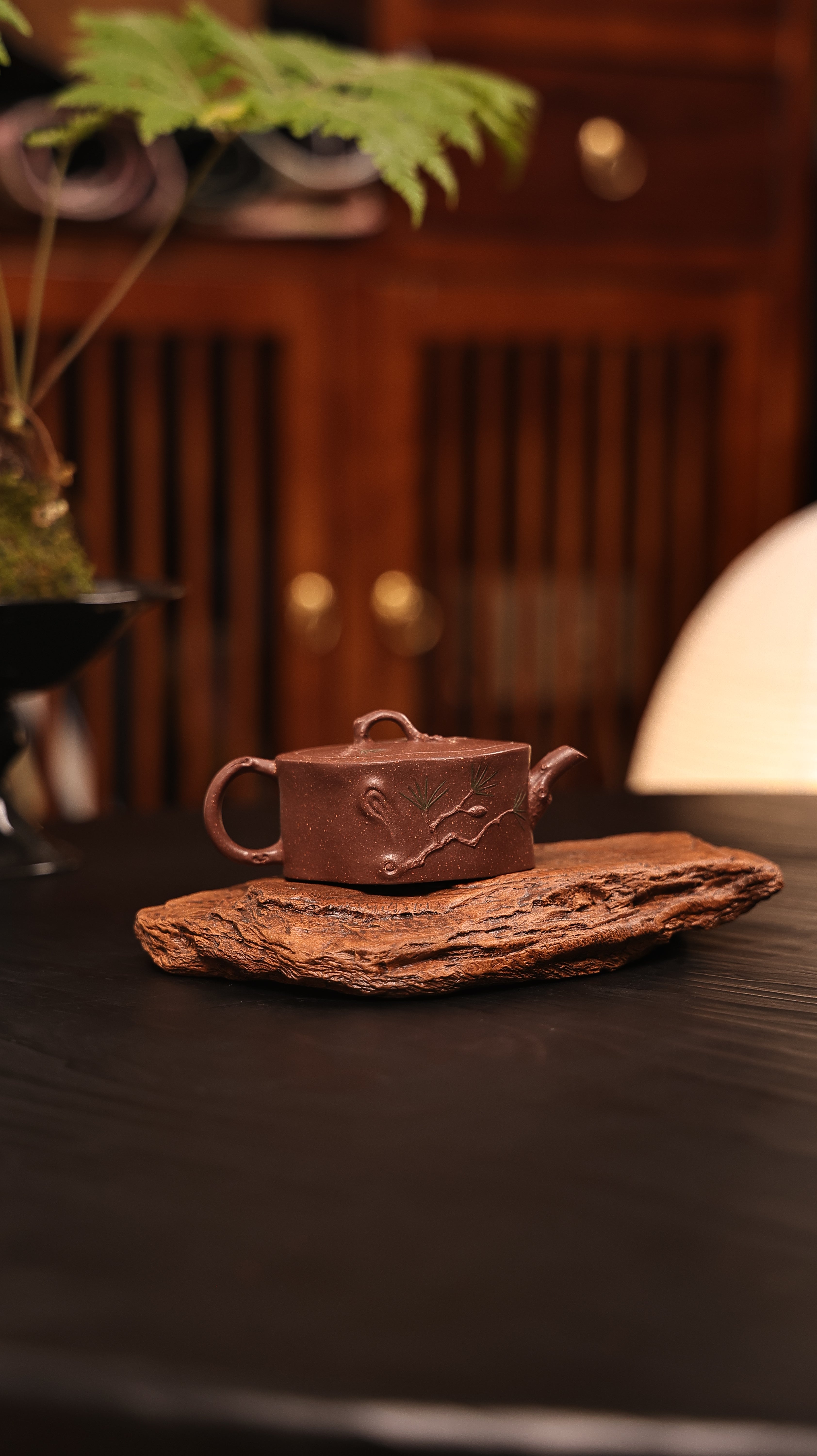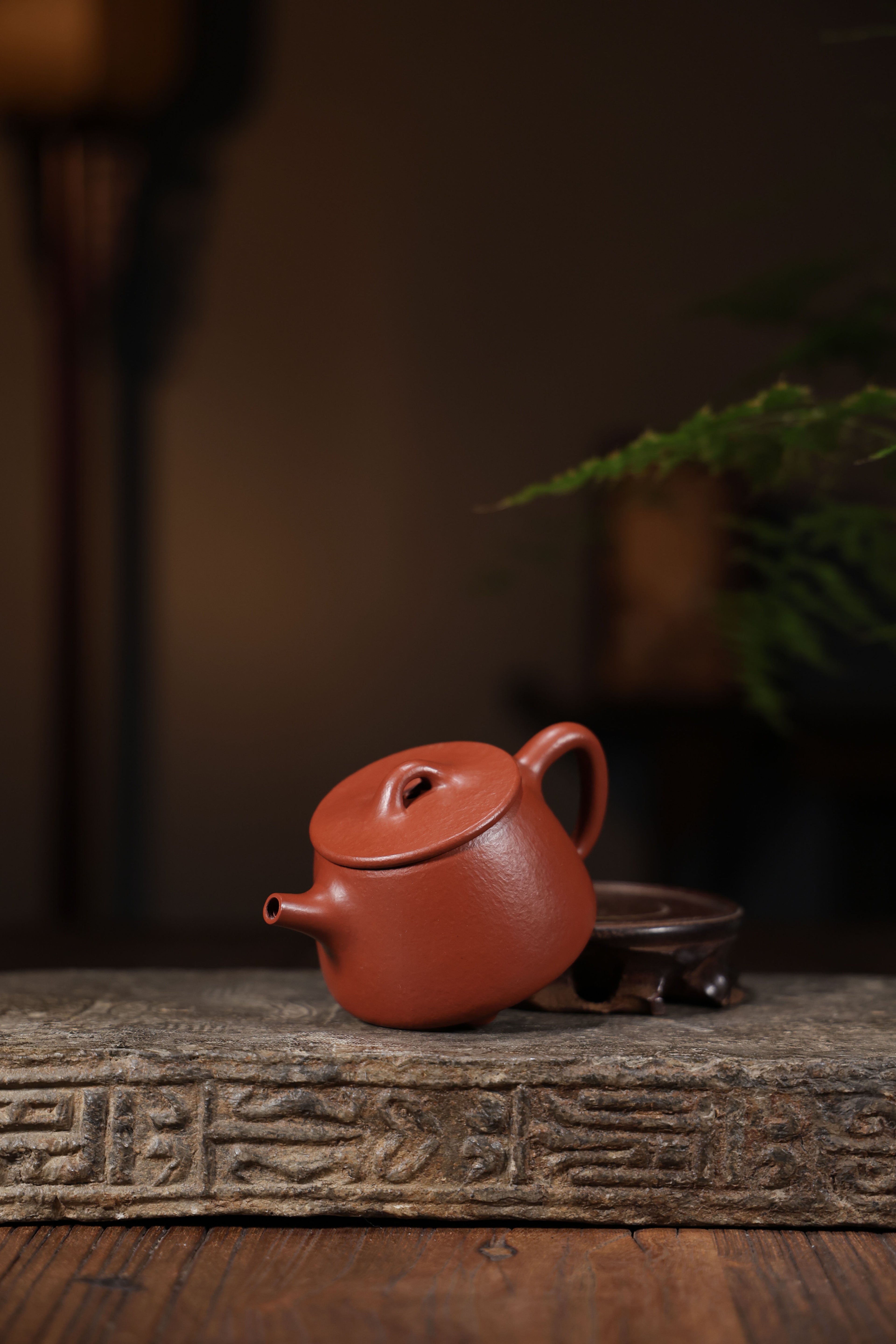
Lasting history characterizes Eastern ceramic pots around epochs,
Reflecting peculiar attributes extracted from native violet particles, those earthenwares build up a glow after handling, strengthening profile yielded from developed concoctions.
Unveiling Yixing Dregs: Broad Insights into Zisha
Numerous followers acknowledge the singular structure of Yixing mulberry clay, a pillar of enduring Chinese workmanship. Appearing from the Yixing region of Jiangsu province, this valuable clay shows an refined mineral blend, such that gives remarkable qualities to the completed teapots. Styles within Zisha, including Ni Mud, Duan Ni Mud, and Jiang Xi Mud, each provides separate hues, feels, and baking traits, shaping the diffusibility and the terminal savor development of the liquid.
Mandarin Container Customs: Examining Innovation
Far Eastern teapots embody beyond mere containers for drink; they express centuries of historical mastery. From the celebrated Yixing clay variations, respected for their absorbent nature which imparts particular tastes to the beverage, to the precise porcelain from Jingdezhen, each piece relays a anecdote of effort. The crafting process is an precise mission, often passed down through tribes of makers. These connoisseurs use historic methods such as hand-building, sculpting on wheels, and adorned, demonstrating profound reverence for the component and the discipline itself. Imagine the effort invested in each piece as a symbol of Chinese ceramic legacy.
- Chinese teapots: a esteemed choice.
- Refined china teapots: acclaimed as their fragile design.
- Modeling techniques: a demanding yet beneficial procedure.
Yixing Zisha Pot Treatment: Safeguarding Your Adored Belonging
Appropriate tending of your cherished Yixing Zisha kettle is crucial to enhancing its durability. Crafted from distinct purple sand dirt, these first-rate teapots build a warm patina after use, considerably boosting their allure. Prevent detergents; a delicate rinse with pleasantly warm liquid is satisfactory. Eschew boiling water for rinsing the teapot, as it may weaken its makeup. Allow it to air dry away from strong daylight. Consider seasoning your teapot regularly using top-quality tea, especially fermented varieties. Here is a brief manual:
- Wash off with warm fluid.
- Resist agents.
- Allow it to dry fully.
- Mature with choice tea.
Beginnings of Yixing Teapots: Commencement
The story of Yixing teapots starts plainly during the Qing dynasty, close to the 16th age. Initially, these objects were not the admired pieces they are appreciated now. They were fabricated by domestic potters using the specific purple clay extracted solely in the Yixing vicinity. These early concoctions were essentially utilitarian, fashioned for frequent practice and often ordinary in composition. It was not until the posterior dynasty that they opened to earn renown beyond mere employable crafts.
Identifying the Appropriate Jiangsu Container: A Novice's Handbook
Embarking the world of Yixing teapots can be difficult, but eschew hesitating! For initiates, the essential factor is understanding the material. Genuine Yixing clay is prized for its porosity, allowing the teapot to lock in the tea's profile over time, elevating every infusing session. Consider the profile; traditional orbicular shapes prevail, yet distinct preferences weigh. Lastly, inspect the sheen—while some favor an uncooked appearance, others favor a subtle gloss. Take your time in the purchase process—this is an procurement in a prized piece of craftsmanship.
Native Clay Urns and Their Effect on Chinese Tea Ceremony
Zisha pots, originating from Yixing, China, have profoundly changed established Chinese tea culture. Those Yixing clay teapots, prized for their unique color, pattern, and exceptional ability to impart a subtle aroma to the concoction, act as more than mere containers; they are cherished masterpieces and symbols of eminence. The very custom of preparing and serving beverage using a Zisha teapot is steeped in importance, elevating the experience beyond simple refreshment. Centuries of artisans have improved their techniques, passed down through generations, resulting in highly prized pieces. Thus, Zisha teapots are frequently collected, playing a crucial part in cultivating Eastern appreciation for aesthetics and the art of liquid ceremonies.
- Unique Clay Composition
- Giving Subtle Flavor
- Artistic Craftsmanship
Confirming Real Collectible Chinese Artifacts
Acquiring a real Yixing teapot can be a gratifying Yixing Teapot experience, but the arena is often flooded with fakes. Detecting between a legitimate antique and a up-to-date reproduction requires exacting inspection. Key signs include the clay's coppery shade, often displaying striped decorations, and the scarcity of modern firing imprints. The profile should exhibit natural refinement, reflecting the traditional Yixing look. Finally, evaluating the artisan's emblem is paramount to verify legitimacy against recorded testimonies.
- Assess the clay's grain.
- Look for irregularities, indicative of crafted quality.
- Consult an professional for assessment.
Committing to Eastern Earthenware: A Elaborate Explanation to Purple Clay Analysis
The sector of Native Zisha teapots presents a distinct possibility for educated admirers. Increasingly, the worth of these traditional artifacts is guided by diverse components, such as the rank of component, the expertise of the potter, the cultural importance, and, naturally, the ongoing demand. Novices should emphasize on studying the several kinds of Zisha clay—such as Frozen River, Peaceful Container, and Ruby Mud—and exploring the aspects linked to each. Precise analysis of the earthenware's contour, tone, and stamp is further crucial to make knowledgeable decisions when investing.