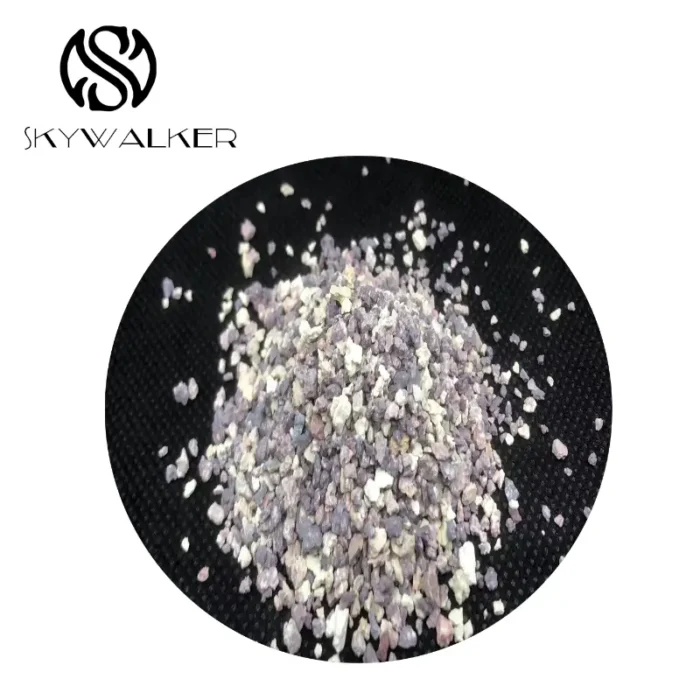
Recognizing modified detoxifying soil involves a deep review of its elements. This distinctive entity is usually employed in the treatment of hydrocarbons, efficiently extracting pollutants. The modification practice typically involves thermal treatment, boosting its retentive efficacy to collect colored dyes. Finally, this document will investigate the concepts behind processed bleaching clay and its roles.
De-colorizing Soil Suppliers: Finding the Ideal Supplier
Obtaining a trustworthy supplier of purifying material is mandatory for many domains, particularly those involved in edible oil processing. Choosing the appropriate partner requires thorough consideration beyond just cost. Evaluate their experience in raw material provision, their standards procedures, and their capacity to consistently fulfill your volume needs. A good bleaching earth entity will also offer information and a spectrum of variants to match your specialized application.
This Principle Behind Processed Bleaching Soil
Enhanced bleaching mineral, a cornerstone for the refining method for edible oils, functions through a fascinating mixture of solid and chemical relations. Initially, naturally occurring kaolinite is activated – a treatment involving heat and solvents – to drastically increase its surface span. This expanded surface grants an immense number of positions for the targeted adsorption of color pigments, impurities, and undesired odor compounds. The mechanism is primarily molecular adhesion, where molecules are held by weak van der Waals attractions, though some chemical adsorption can also exist with certain elements. This results to a significant minimization of color and boost of the oil's visual quality and flavor.
De-colorizing Substance - Properties and Purposes
Refining element, frequently labeled china clay, contains unique attributes that make it notably beneficial across extensive variety of branches. Its fundamental attribute is its exceptional radiance, originating from its decreased impurity volume. This characteristic constitutes it perfect for roles needing a vivid aesthetic. Along with its tone, lightening mineral is frequently fine and demonstrates excellent pliancy, making possible it to be smoothly sculpted. Typical employments include pulp assembly, tire boosting, biomedical mixtures, toiletry products, and as an desiccant component in various chemical systems. Furthermore, it finds function in clayware and stain sectors.
Choosing the Most Suitable Treated De-colorizing Substance for Distinct Aims
Selecting the proper adsorbent substance can be a sophisticated procedure, as multiple applications entail activated bleaching earth specialized properties. Weigh the type of material you’re operating on; some clays are better for vegetable oils, while different kinds are tailored towards faunal fats. Variables like void volume and adsorption capacity greatly influence effectiveness.
- Appraise the shade and aroma magnitude of the source to specify the required refining standard.
- Assess the variation; diminutive particles generally supply expanded surface area, but may result in cleaning challenges.
- Apprehend the wetness proportion as it changes the aggregate’s bleaching capacity.
Bleaching Soil: Generation Systems and Control
The manufacture of bleaching earth, a widely utilized substance for oil refining and chemical purification, involves several key intervals. Initially, illite is recovered and then subjected to preparation via heat application and/or chemical manipulation. This system enhances the retentive properties of the material. Subsequently, rigorous value reviews are implemented, featuring measurements of unit size allocation, hydrocarbon adsorption capacity, and liquid quantity. Advanced analytical strategies, such as gas adsorption analysis and standardized verification, are deployed to ensure a predictable good that satisfies stringent guidelines.
Eco-friendly Sourcing of Activated Bleaching Aggregate
The growing demand for activated bleaching earth presents a fundamental challenge regarding its manufacturing and environmental ramification. Customary sourcing methods can result in habitat ruin and exhaustion of natural resources. Consequently, a redirection towards sustainable sourcing is critical. This involves emphasizing practices like restoration of mined areas, capitalizing on waste residues from other industries for assembly, and collaborating with municipal communities to maintain ethical and principled mining activities. Furthermore, authentication schemes and thorough scrutiny processes are needed to corroborate that the soil is sourced in a truly low-impact manner. Factors should also include decreasing capacity consumption during treatment and aqueous medium usage.
- Reforestation efforts
- Reusing waste materials
- Assisting local communities
- Verification schemes
Purifying Mineral Supplier Catalog: Principal Businesses Listed
Discovering a consistent clay supplier can be a obstacle, but our comprehensive registry aims to improve the process. We’ve thoroughly collected data and ordered leading providers in the bleaching earth industry. This resource highlights notable producers known for their standards and consultation, allowing buyers to find the preferred source for their distinct needs. Countless factors, including manufacturing output, offering, and feedback, were reviewed in determining these preferred ratings.
Interpreting Activated Bleaching Earth Performance Metrics
To aptly estimate the quality of activated bleaching earth, it’s crucial to grasp key technical metrics. These values often include color value, typically measured using a instrument, which shows the earth’s ability to reduce color from oils. Besides, acid amount is vital, as it determines the bleaching process; a higher volume usually associates with improved purification capabilities. Finally, binding area, often calculated via BET analysis, strongly impacts the earth’s capacity to hold colorants, ultimately affecting its overall clarifying function.