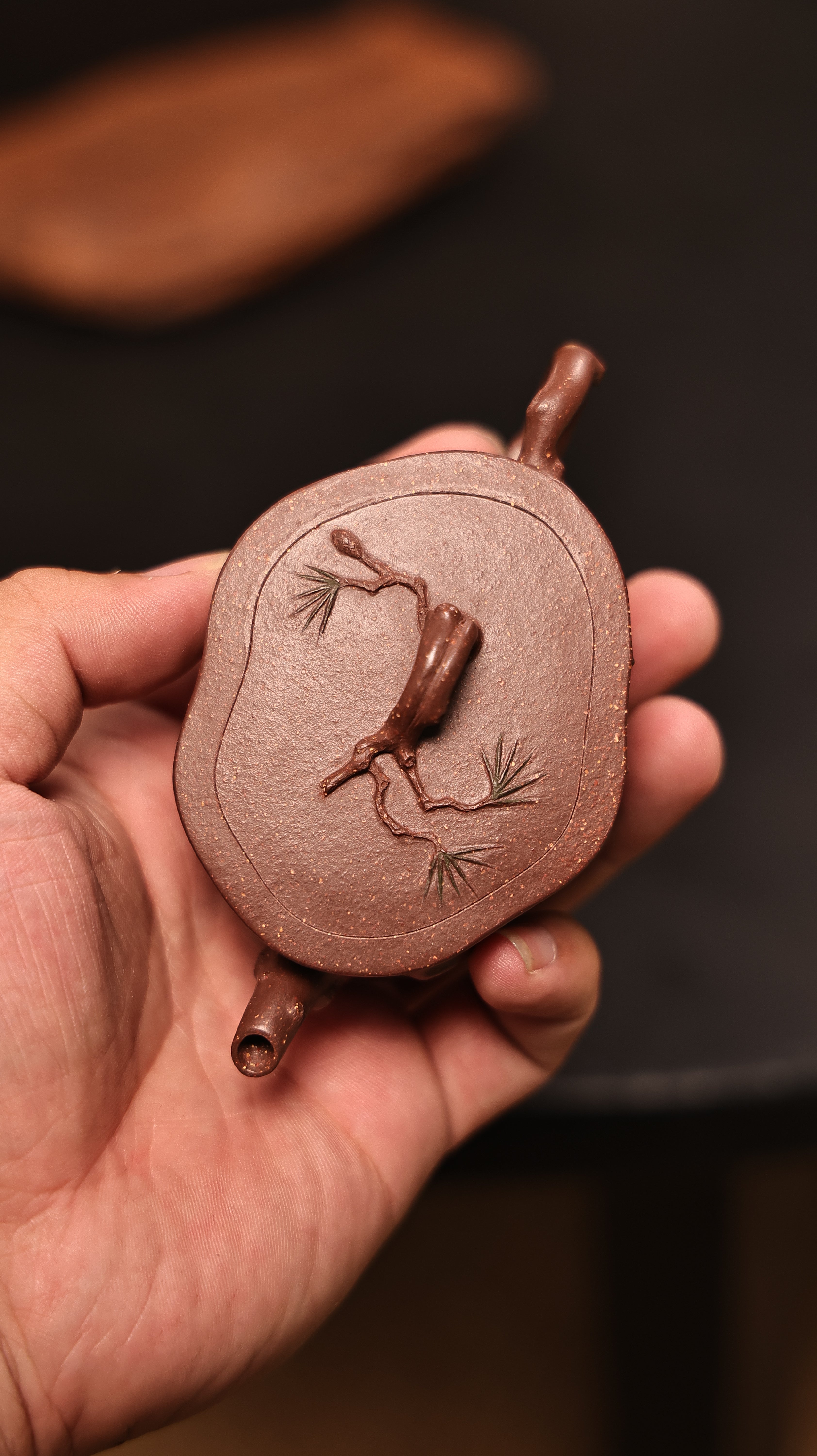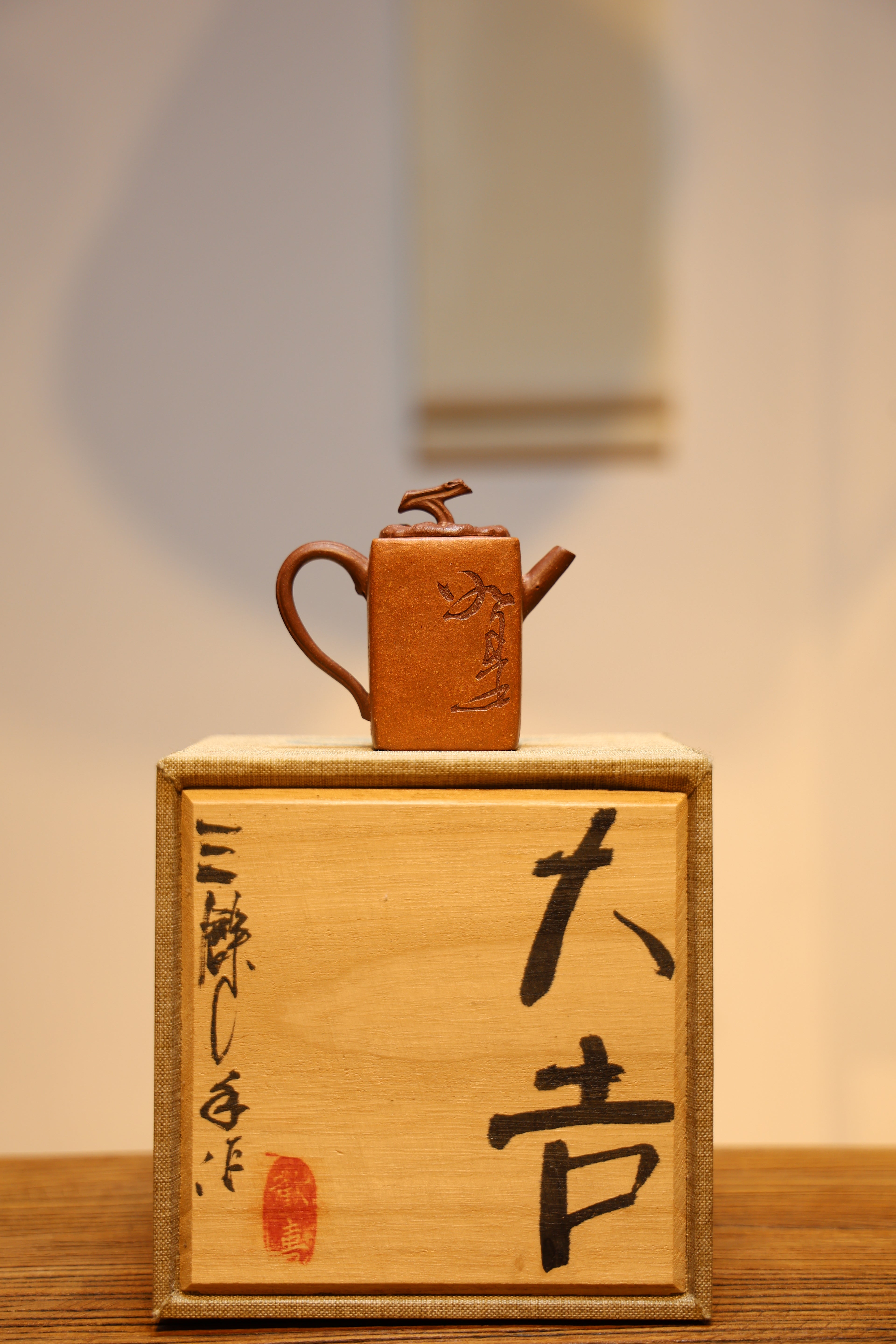
Millennia of lovers have long cherished the distinctive appeal of Yixing Zisha vessels. Emerging in the quaint town of Yixing, the land, these jars are constructed from a scarce and dug purple clay recognized for its extraordinary thermal features and tendency to improve the flavor of tea. Other than their serviceable importance, Zisha teapots reflect a profound heritage background, turning them immensely valued and a bona fide wonder for any ardent teapot appreciator.
Delving into Yixing Teapots
Classic teapots illustrate a unusual blend of history and seasoned craftsmanship. Existing in Yixing, Jiangsu District of China, their narrative traces to the Ming Dynasty, although manifestations suggest earlier instances. The distinctive purple clay, called Zisha, found just in the Yixing region, is the integral component, contributing to the pots' excellent heat sustaining and the manner they modify the flavor of tea. Continuums of potters have enhanced techniques—often passed down through families—including crafting the clay, applying elaborate embellishments, and firing the pots at deliberate temperatures.- At first, Yixing teapots were often adorned with simple designs.
- In due course, more elaborate carvings and figurative motifs became accepted.
- The firing process itself is a key element, requiring prolonged intervals of experience.
Gathering Zisha Teapots: Fundamental Points
Commencing a search to assemble Zisha earthenware can be fruitful, but it’s crucial to recognize what to search for. Authenticity is critical; focus on the clay’s natural cast, a subtle reddish-brown is standard. Examine the structure; genuine Zisha has a notable tactile sensation, often expressed as slightly uneven. The contour should be symmetrical and consistent with historical styles, while inscriptions, if present, require careful examination for validity. Don’t avoid to consult with experienced dealers or credible materials – their knowledge is indispensable.
Oriental Teapots: Discovering the Culture of famous Ceramics
Ages have seen Yixing Purple Earth teapots sustain a remarkable role in Chinese Yixing Zisha Teapot culture. These carefully constructed pots, sourced exclusively from the region of Yixing, are renowned for their recognizable tone, quality, and their ability to enrich the profile of tea. Numerous collectors pursue antique Yixing teapots, appreciating them profoundly not only for their aesthetic loveliness, but also for the heritage they signify.
Yixing Zisha Teapots: Such Leading Classes and Their Traits
Zisha Ware teapots, produced in the regional locale of Yixing, the Chinese territory, are noted for their special clay and superb brewing functions. Within the many Zisha types, certain varieties that are highly treasured include Baiwei. Binzhou, known for its strong purple shade and silky texture, delivers a delicate flavor. Duan Ni form, recognizable by its coppery color and a little grainy feel, is said to enhance tea’s substance. Lastly, Zhuni form boasts an extraordinary ruby tone and can give a sweet nuance. Each breed supplies a varied experience, causing them very desirable regarding concoction enthusiasts.
Conquering A Yixing Jar
To access the beauty of your Yixing teapot, appreciating the correct way is vital. These clay pots, celebrated for their texture, will continually develop the essence of the tea you cook within them. Begin by flushing the teapot thoroughly with tepid water. Then, use only top-grade loose leaf tea, as lower quality options can weaken the vessel’s delicate nuance. Always permit the leaves to open completely, and remember that with each application, your Yixing vessel will become perpetually distinct.
Maintaining Your Rare Zisha Heirloom
Proper support for your Zisha pot is fundamental to protecting its beauty and merit. Zisha clay, celebrated for its unique cast and composition, requires attentive handling. Never use abrasive solutions, as these can harm the layer. After every use, rinse the pot with room temperature water and allow it to dehydrate completely.
- Resist soaking the vessel for extended lengths.
- Regularly use a soft polishing cloth to clean the exterior.
- Reflect on applying a thin layer of food-grade mineral oil inside the pot after drying, which can limit staining.
Overview of Yixing Teapots
Yixing vessels, originating from the Yixing zone in Jiangsu Province, of China, are celebrated for their distinctive traits. Fabricated from the unique purple earth known as Zisha, these kettles are prized by liquid enthusiasts worldwide. This guide will gently explain the foundations – covering brands of Zisha earth, frequent shapes, and critical care helpful hints. Understanding the background of Yixing vessels can strengthen your appreciation for this acclaimed example of Mandarin heritage.
Mastery of Han Pitchers: Presenting Zisha originating in the Yixing area
Zisha material from Yixing locality represents the peak of Chinese pot design, possessing a singular amalgamation of unprocessed beauty and effective artistry. These famous pieces are honored for their saturated color palettes, often spanning dark purples and brown hues to gentle greys and pale beiges. The distinct mineral composition of the area’s Zisha ground imparts a signature texture and generates a satisfying aroma that elevates the total infusion experience, causing them extremely prized collectibles and vital components of any serious brew.