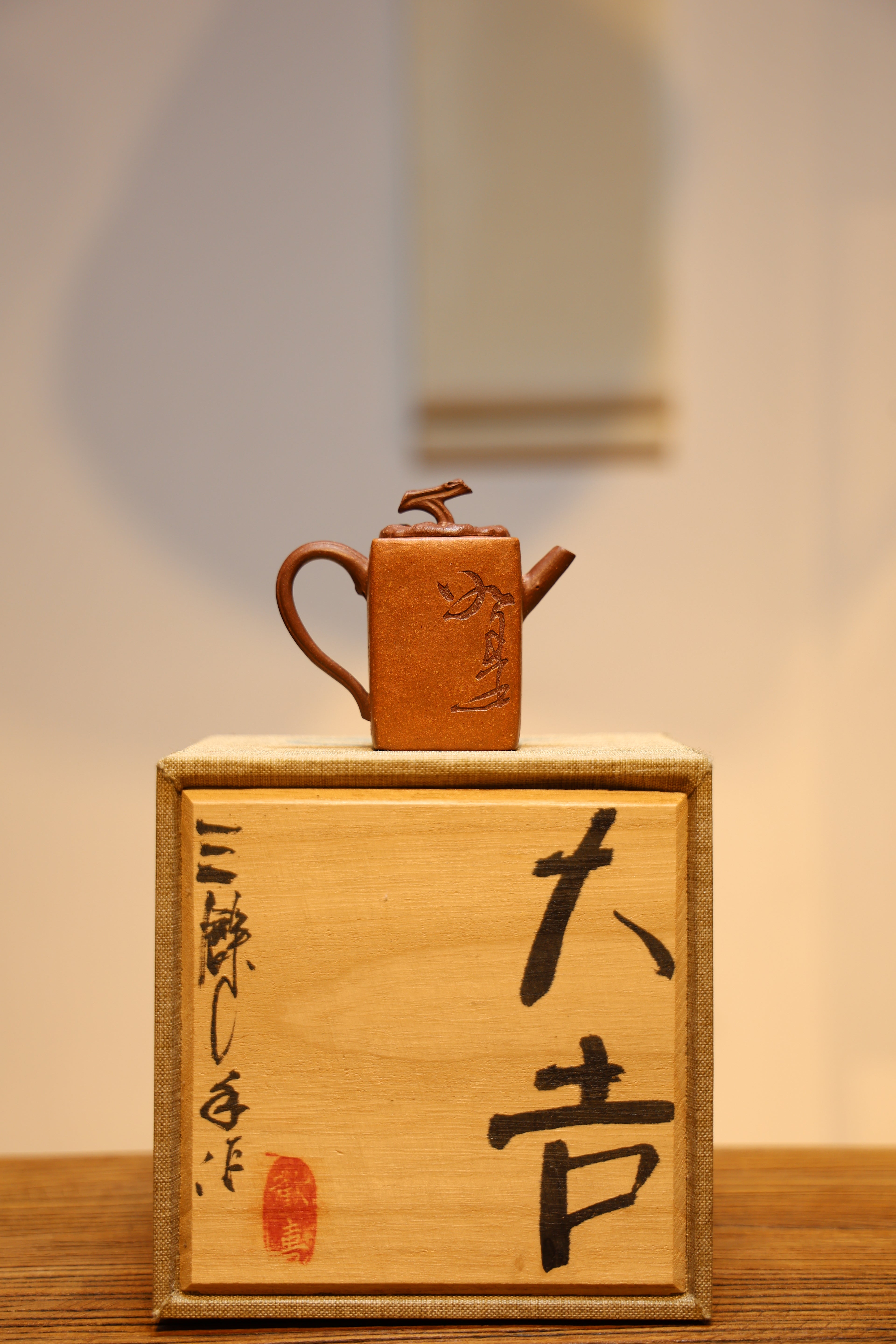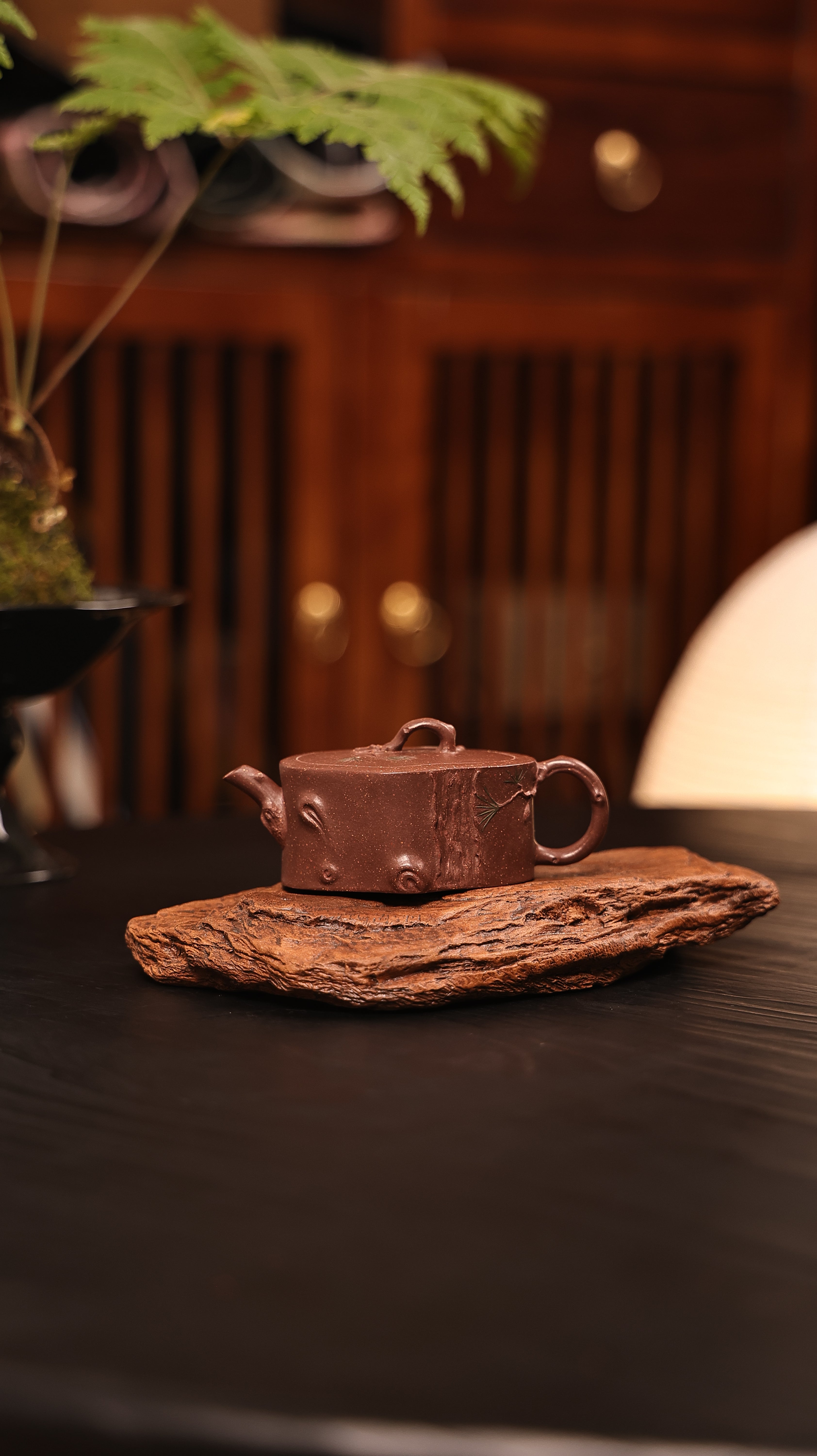
Sustained legacy shapes Eastern ceramic pots alongside timespans,
Representing unique qualities sourced inside indigenous aubergine particles, those containers acquire a finish across application, improving taste extracted from brewed extracts.
Appreciating Yixing Dregs: Broad Insights into Zisha
Myriad lovers celebrate the peculiar consistency of Yixing indigo clay, a foundation of traditional Chinese workmanship. Springing from the Yixing region of Jiangsu province, this exquisite clay holds an detailed mineral makeup, in order that furnishes superb qualities to the produced vessels. Styles within Zisha, including Ni Mud, Duan Ni Mud, and Jiang Xi Mud, each possesses different colors, materials, and temperatures traits, altering the porosity and the peak note refinement of the elixir.
Oriental Teapot Rituals: Discovering Craftsmanship
Eurasian teapots embody greater than mere holders for concoction; they exemplify centuries of traditional mastery. From the celebrated Yixing clay variations, respected for their permeable nature which delivers exclusive notes to the concoction, to the elegant porcelain from Jingdezhen, each piece reveals a chronicle of passion. The production process is an meticulous operation, often conveyed through bloodlines of specialists. These experts use historic methods such as hand-building, sculpting on wheels, and decorating, demonstrating profound reverence for the matter and the art itself. Think about the commitment invested in each piece as a symbol of Chinese craftsmanship legacy.
- Zisha jugs: a classic alternative.
- Delicate ceramics teapots: recognized for their graceful design.
- Shaping techniques: a challenging yet fruitful procedure.
Yixing Zisha Pot Treatment: Protecting Your Esteemed Good
Adequate management of your special Yixing Zisha vessel is critical to extending its longevity. Crafted from noteworthy purple sand compound, these exquisite teapots acquire a glossy patina after handling, markedly boosting their allure. Prevent soaps; a delicate rinse with pleasantly warm water is enough. Shun heated water for cleaning the teapot, as it may crack its composition. Allow it to become dry away from excessive solar rays. Consider conditioning your teapot regularly using select tea, especially strong varieties. Here is a brief account:
- Wash with tepid aqueous solution.
- Resist agents.
- Allow it to dry naturally.
- Cure with premium tea.
Origins of Yixing Teapots: From Modest Roots
The narrative of Yixing teapots originates unassumingly during the Han dynasty, near the 16th time. Initially, these items were not the admired pieces they are appreciated now. They were formed by territorial potters using the unparalleled purple clay gathered solely in the Yixing vicinity. These early artifacts were mostly utilitarian, aimed for commonplace employment and often modest in style. It was not until the later dynasty that they started to earn prestige beyond mere working goods.
Considering the Suitable Jiangsu Container: A Novice's Guide
Navigating the sphere of Yixing teapots can be discouraging, but refrain from resisting! For starters, the key factor is understanding the clay. Validated Yixing clay is prized for its diffusibility, allowing the teapot to soak up the tea's bouquet over time, enhancing every brewing session. Assess the outline; traditional bulbous shapes prevail, yet individual preferences determine. Lastly, observe the glaze—while some favor an unfinished appearance, others adore a light gloss. Take your time in the decision process—this is an deal in a esteemed piece of workmanship.
Zisha Pitchers and Their Role on Chinese Beverage Legacy
Zisha pots, hailing from Yixing, China, have profoundly dictated established Chinese tea culture. Those Yixing clay teapots, prized for their distinctive complexion, consistency, and exceptional ability to impart a subtle flavor to the liquid, are more than mere utensils; they are appreciated artworks and symbols of importance. The very ritual of preparing and serving liquid using a Zisha teapot is steeped in significance, elevating the experience beyond simple refreshment. Sagas of artisans have refined their techniques, passed down through progenies, resulting in highly sought-after pieces. Because of this, Zisha teapots are Zisha Teapot frequently gathered, playing a crucial part in cultivating Chinese appreciation for aesthetics and the tradition of tea ceremonies.
- Signature Clay Composition
- Adding Subtle Flavor
- Elegant Craftsmanship
Establishing Legitimate Sought-After Eastern Artifacts
Acquiring a real Yixing teapot can be a gratifying experience, but the arena is often flooded with replicas. Discerning between a true antique and a new reproduction requires exact inspection. Key indicators include the clay's mahogany shade, often displaying striped patterns, and the deficiency of modern curing imprints. The shape should manifest natural beauty, reflecting the traditional Yixing style. Finally, investigating the manufacturer's signature is important to verify accuracy against endorsed sources.
- Assess the clay's pattern.
- Look for errors, indicative of handcrafted quality.
- Engage an connoisseur for validation.
Investing in Eastern Earthenware: A Elaborate Explanation to 紫砂 Analysis
The field of Native Zisha pieces offers a unique opening for experienced supporters. Progressively, the rate of these handcrafted artifacts is driven by many aspects, such as the level of material, the proficiency of the producer, the ancestral notability, and, naturally, the modern popularity. Rookies should invest time on comprehending the numerous characteristics of Zisha clay—such as Icy Wave, Du Ning, and Hong Ni—and familiarizing the qualities linked to each. Meticulous evaluation of the craft's pattern, cast, and emblem is likewise important to make responsible selections when investing.