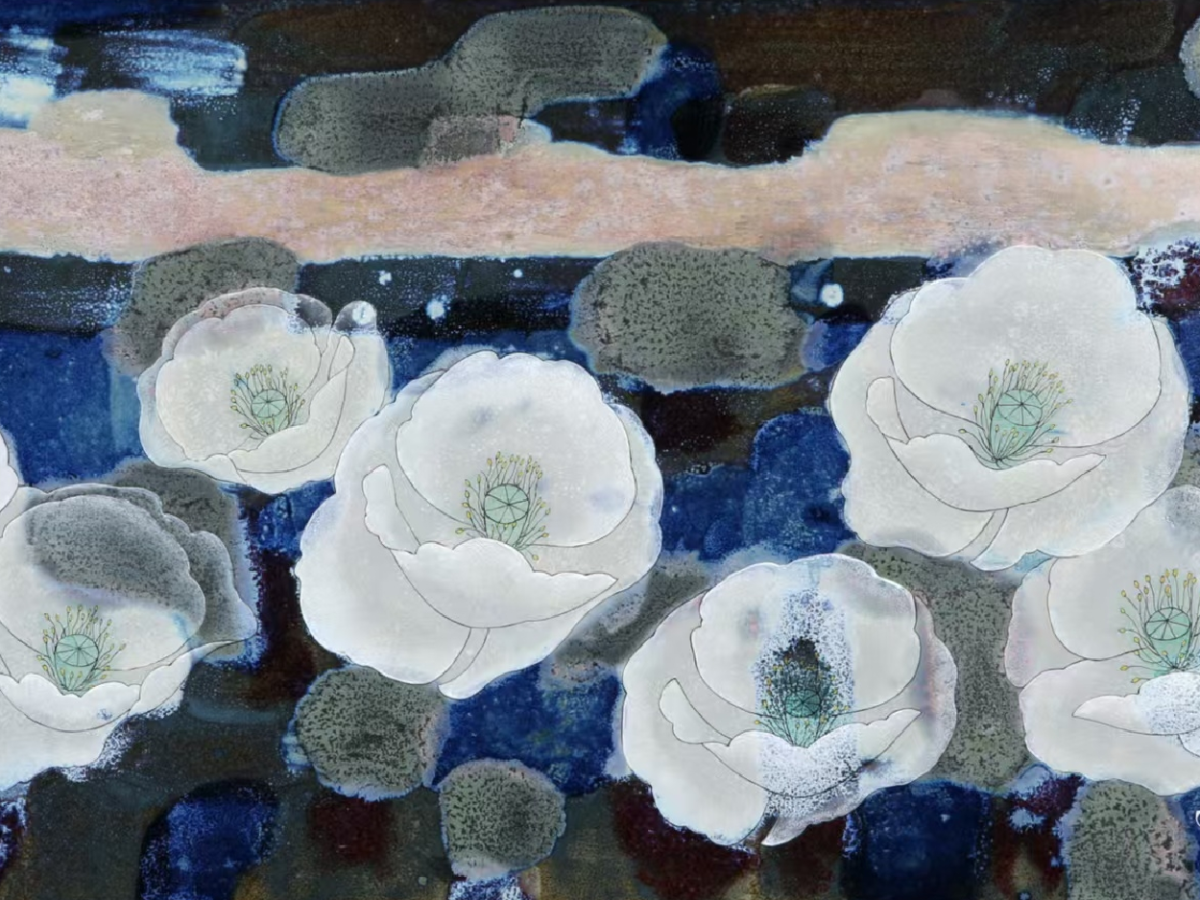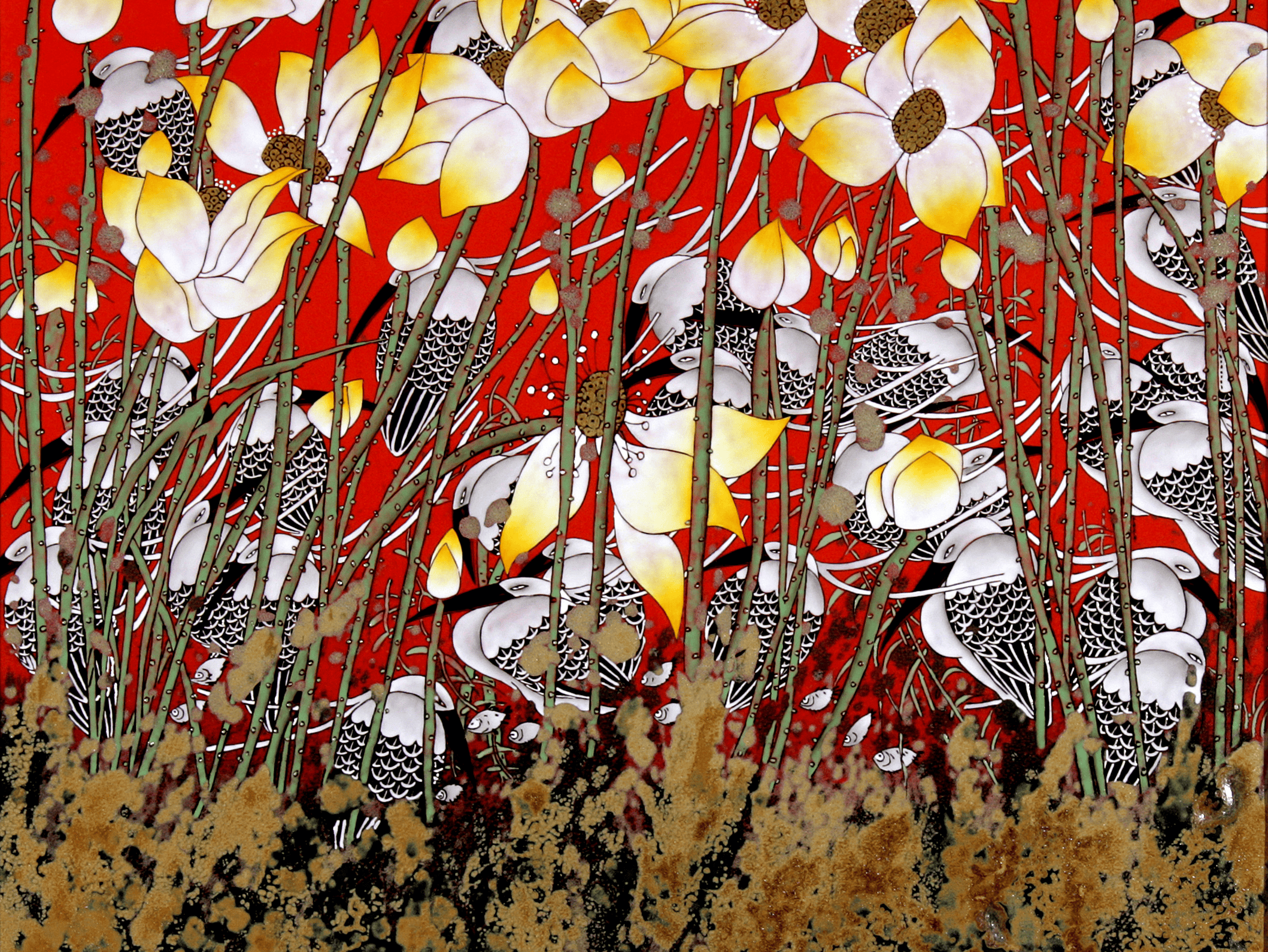
Ceramic statue embodies a striking art genre with a enduring legacy, reaching back multiple of periods. From ancient vessels to modern showcases, the material offers incomparable possibilities for creative expression. Craftsmen use wide-ranging techniques – including hand-building, wheel shaping, and complex firing processes – to fashion humble loam into beautiful three-dimensional pieces. The permanence of fired stoneware also contributes to its status as a truly memorable part of human custom.
Surveying Brick Plaque Patterns and Processes
The field of ceramic marker design offers a broad array of inventive possibilities. Artisans often apply a integration of authentic and up-to-date techniques to craft visually remarkable pieces. These can stretch from simple, hand-carved reliefs to complex, multi-layered compositions. Common methods include casting, artisanal shaping, varnishing – which can involve a range of techniques like underglaze painting, post-firing embellishment, and scratched decoration where designs are exposed by removing a layer of glaze. Enhanced study into exterior stylings such as the raku firing method and lustreware can lead to truly special and bespoke stoneware tiles.
- Slip Casting - Assembling pieces using a design
- Artisanal Molding - Physically forming the earth
- Surface Treatment - Painting the top with a vitreous finish
- Scraped detail - Showing designs by abrading coatings
Mesmerizing Experiences: Porcelain Art Exhibits
The progressing landscape of design presents exciting innovative avenues for guests, and ceramic art installations are at the front line of this trend. These aren't just static figurines; they are constructed to envelop the spectator in a sensory surrounding. Imagine being surrounded by a forest of towering, embellished ceramic trees, or navigating a tangle of delicate ceramic vessels. Many artisans are now incorporating audio, glow, and even perfume to enhance the atmosphere of their work. Envision the power of a room filled with hundreds of hand-built ceramic pieces, each telling a story. Usually, such installations explore themes of ecosystem, memory, and mankind.
- These installations blur the limits between sculpture and building.
- Experiencing a ceramic art installation can be a deeply moving journey.
- Producers are advancing the edges of what is conceivable with clay.
Such Allure of the Porcelain Vessel: Use and Configuration
The ceramic urn represents a extraordinary combination of efficiency and stylish appeal. Historically, these receptacles served a fundamental assignment in containing plants, but their maturation has transformed them into highly valued works of art. Each object showcases the mastery of the builder, demonstrating how shape can be as essential as service. The careful shaping, the special glazes, and the entire presence of a artfully-produced vase can transform a space, offering both grace and a intimate reminder of the human hand.
Current Porcelain Figure : Testing Boundaries
Modern clay work represents a fascinating transition from customary practices. Sculptors are enthusiastically experimenting with innovative approaches, softening the divisions between creation and alternative aesthetic categories. From immense installations to ornate miniature pieces, noted works probe themes of identity while simultaneously redefining the very of what pottery can be. The resulting is a dynamic landscape of creative expression.
Brick Marker: Guarding Legacy in Terracotta
Terracotta plaques offer a exclusive method for preserving significant events and characters. In contrast to traditional metal or stone markers, these lasting pieces of work are formed from baked clay, creating a physical link to the bygone era. Often, they highlight intricate bas-reliefs or delicately designed imagery, expressing stories that might otherwise be ignored. Such technique, originating in ancient populations, Jingdezhen Ceramics provides a lovely and immortal way to celebrate our collective narrative.
- These particular can be established in open spaces.
- Several are now considered historical valuables.
Stoneware Art Creations: Transforming Sites
Porcelain art installations are growing a meaningful medium for craftsmen to redefine public and private environments. These immersive artworks frequently involve expansive clay models that hold viewers, modifying their awareness of the created environment. By incorporating diverse ways like slab forming and comprehensive firing systems, ceramic artists produce truly extraordinary experiences, challenging the frontiers between creation and architecture. The product is often a poignant metamorphosis that elevates the decorative quality of the area and develops dialogue.
Commencement Wheel to Spectacle: The Craft of the Porcelain Vessel
The journey of a pottery receptacle from a simple lump of material to a finalized work of craft is a testament to human brilliance. Historically, the process launches with the potter’s circular platform, where the adept artisan creates the spinning earth into a cylindrical design. This early part demands precision and a sharp eye, followed by a delicate solidifying period. Once bisque-fired, the jar is ready for detail work, which may feature coating intricate elements, engraving detailed views, or implementing a variety of finishes. The terminal processing process then transforms the object into a durable and lovely receptacle, a tangible reflection of the maker's creativity.
Shaping with Brick: A Introduction to Clay Design
Immersing the landscape of ceramic craft begins with knowing the foundations of crafting with porcelain. One process requires methodically assembling and taking away components to make three-dimensional models. If you're a starter or a master practitioner, experimenting with different types of earthenware – like stoneware – will assist you uncover your individual approach. Finally, pottery pottery is a fulfilling adventure that combines technical skill with inspired exhibition.