Clay carving expresses a impressive work style with a enduring history, covering back legions of eras. From ancient urns to state-of-the-art displays, the stuff offers unsurpassed possibilities for creative articulation. Sculptors utilize multiple techniques – including assembling, wheel operating, and sophisticated firing processes – to convert humble mud into beautiful three-dimensional creations. The endurance of fired terracotta also contributes to its status as a truly consequential part of human culture.
Examining Terracotta Tablet Configurations and Strategies
The realm of ceramic panel design offers a broad array of inventive possibilities. Makers often engage a variety of traditional and contemporary techniques to form visually beautiful pieces. These can cover from simple, engraved reliefs to complex, multi-layered designs. Typical methods include shape forming, forming by hand, coating application – which can involve diverse modes like primary coloration, post-firing embellishment, and engraved motif where designs are disclosed by abrading a layer of finish. More study into outer appearances such as raku and lustering can produce truly distinctive and personalized brick shields.
- Template Making - Making pieces using a template
- Forming by hand - Meticulously shaping the soil
- Varnishing - Layering the top with a vitreous finish
- Sgraffito - Highlighting designs by peeling off finishes
Engaging Experiences: Brick Art Showcases
The growing landscape of art presents exciting groundbreaking avenues for attendees, and ceramic art installations are at the vanguard of this movement. These aren't just static figurines; they are constructed to envelop the observer in a sensory realm. Imagine moving inside a forest of towering, textured ceramic trees, or navigating a cluster of exquisite ceramic vessels. Many creators are now incorporating acoustics, lighting, and even smell to enhance the impression of their work. Think about the power of a room filled with hundreds of thoughtfully ceramic works, each telling a story. Usually, such installations investigate themes of flora and fauna, the past, and society.
- Those installations blur the lines between craft and architecture.
- Engaging with a ceramic art installation can be a deeply intimate journey.
- Artisans are extending the thresholds of what is achievable with clay.
Such Allure of the Terracotta Pot: Application and Form
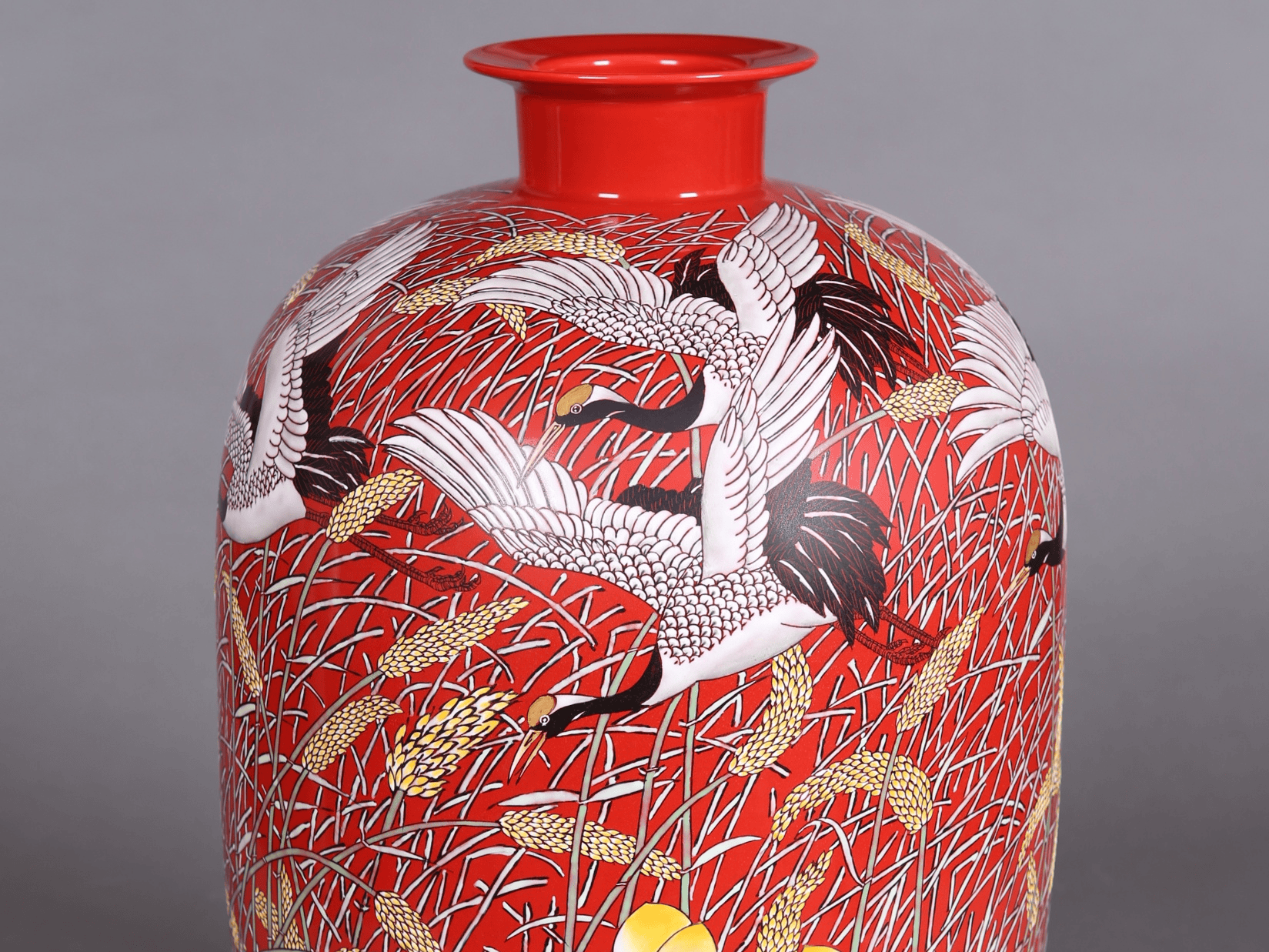
The stoneware vessel represents a admirable union of functionality and aesthetic appeal. Historically, these canisters served a essential assignment in containing substances, but their expansion has transformed them into highly valued works of design. Each component showcases the skill of the artist, demonstrating how outline can be as important as role. The thoughtful shaping, the unique glazes, and the complete presence of a exquisitely-finished vase can transform a space, offering both appeal and a gentle reminder of the creative hand.
Up-to-date Stoneware Sculpture : Challenging Frontiers
Latest brick art represents a fascinating departure from established practices. Artisans are enthusiastically innovating with different processes, dissolving the borders between craft and other creative fields. From grand installations to precise miniature pieces, mentioned works scrutinize themes of background while concomitantly redefining the essence of what pottery can achieve. The product is a lively arena of innovative manifestation.
Stoneware Sign: Guarding Legacy in Porcelain
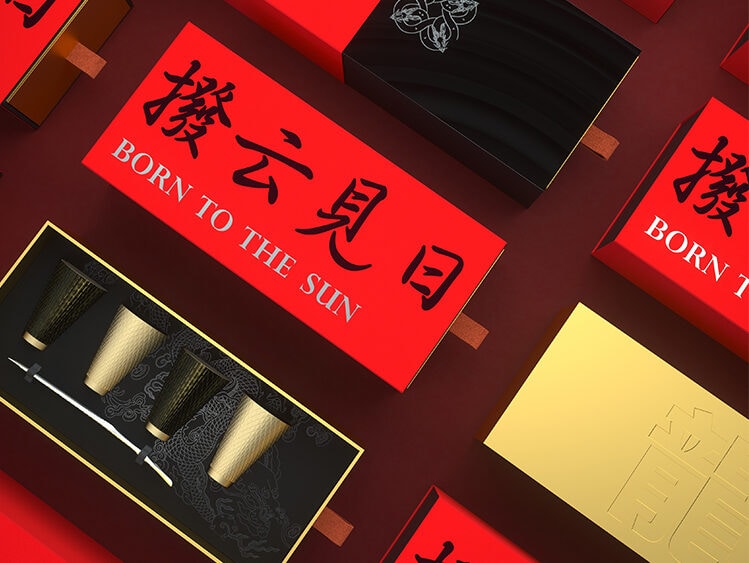
Stoneware plaques offer a uncommon method for capturing significant events and persons. Contrasted with traditional metal or stone markers, these tough pieces of work are formed from baked clay, creating a concrete link to the bygone era. Often, they exhibit intricate models or hand-painted imagery, telling stories that might otherwise be forgotten. An technique, going back to ancient communities, provides a elegant and immortal way Portable Ceramic Travel Cup to pay tribute to our collective legacy.
- These can be placed in accessible spaces.
- A large number of are now acknowledged historical objects.
Clay Art Installations: Modifying Settings
Earthenware art installations are growing a meaningful medium for makers to reinvent public and private venues. These immersive projects frequently involve extensive clay forms that engage viewers, changing their interpretation of the built environment. By combining diverse approaches like slab forming and comprehensive firing systems, ceramic artists produce truly extraordinary experiences, softening the boundaries between production and environment. The upshot is often a emotional modification that improves the visual quality of the venue and encourages discussion.
Origin Lathe to Miracle: The Process of the Pottery Vessel
The journey of a pottery vessel from a simple lump of soil to a finalized work of creation is a testament to human craftsmanship. Conventionally, the process kicks off with the potter’s turntable, where the expert artisan forms the twisting mud into a cylindrical contour. This initial step demands cleverness and a sensitive eye, followed by a delicate setting period. Once raw-fired, the container is ready for beautification, which may involve coloring intricate figures, carving detailed views, or implementing a variety of finishes. The ending kiln firing process then changes the creation into a durable and pleasing vase, a tangible manifestation of the craftsman's skill.
Pottery with Stoneware: A Primer to Ceramic Creation
Investigating the area of brick art begins with knowing the foundations of crafting with porcelain. This technique necessitates deliberately incorporating and cutting material to form three-dimensional pieces. Whether you're a learner or a expert creator, engaging with alternative forms of brick – namely earthenware – will help you discover your individual approach. In the end, clay working is a satisfying exploration that blends artistic ability with imaginative representation.