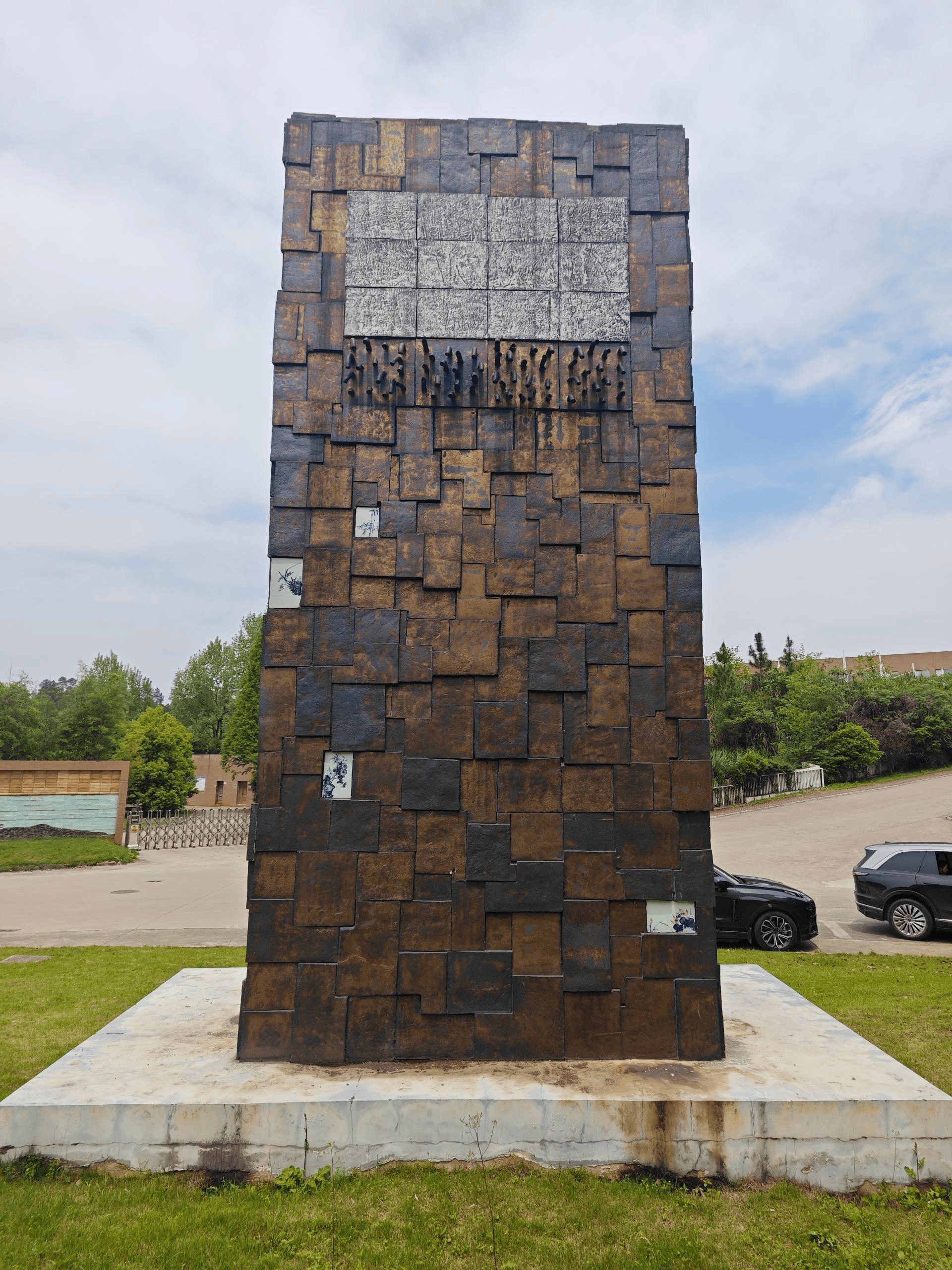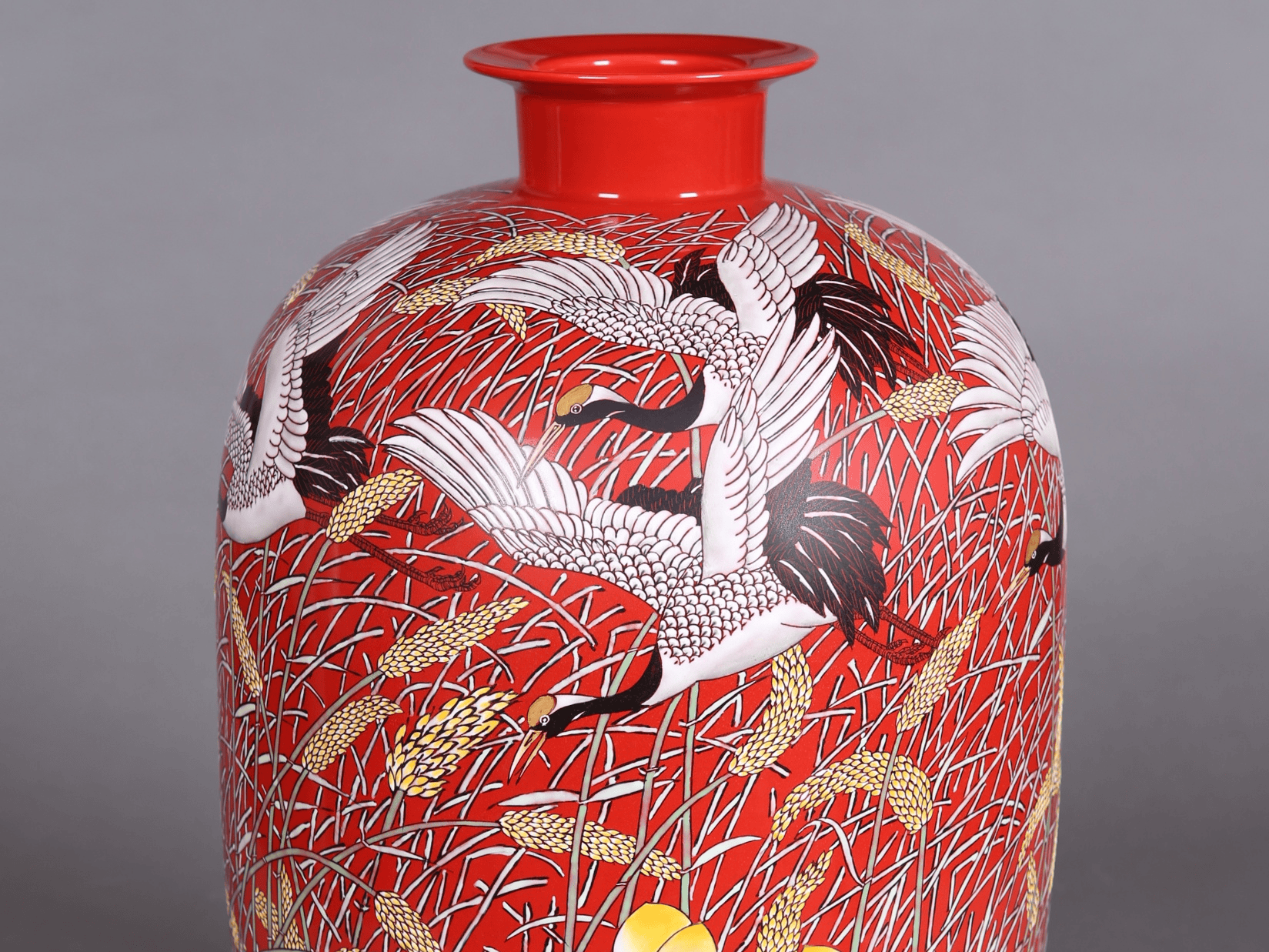
Pottery carving expresses a impressive work type with a vast legacy, reaching back innumerable of years. From ancient receptacles to present-day installations, the substance offers unique possibilities for creative expression. Craftsmen practice assorted techniques – including coiling, wheel turning, and refined firing processes – to convert humble soil into exquisite three-dimensional works. The resilience of fired stoneware also contributes to its status as a truly noteworthy part of human culture.
Exploring Pottery Marker Arrangements and Ways
The sector of ceramic plaque design offers a expansive array of imaginative possibilities. Artisans often exercise a assortment of established and modern techniques to create visually impressive pieces. These can extend from simple, molded reliefs to complex, multi-layered structures. Widely practiced methods include template molding, hand building, glazing – which can involve several approaches like base glaze illustration, decoration on top of the glaze, and scratched design where designs are uncovered by scraping a layer of glaze. Further scrutiny into finishing techniques such as raku firing and lustreware can lead to truly rare and specialized clay tablets.
- Form Casting - Producing pieces using a shaped form
- Hand Building - Precisely forming the mud
- Enameling - Spreading the exterior with a lustrous finish
- Carved drawing - Bringing out designs by taking away layers
Fascinating Experiences: Stoneware Art Displays
The evolving landscape of culture presents exciting cutting-edge avenues for participants, and ceramic art installations are at the summit of this transition. These aren't just static objects; they are designed to envelop the audience member in a sensory setting. Imagine stepping into a forest of towering, finished ceramic trees, or navigating a web of delicate ceramic vessels. Many artisans are now incorporating music, luminescence, and even odor to enhance the sensation of their work. Visualize the power of a room filled with hundreds of carefully ceramic artifacts, each telling a chronicle. Often, such installations analyze themes of the earth, history, and the individual.
- The mentioned installations blur the divisions between statue and structure.
- Interacting with a ceramic art installation can be a deeply meaningful journey.
- Producers are expanding the extents of what is attainable with clay.
Each Charm of the Brick Vessel: Use and Configuration
The clay holder represents a remarkable integration of effectiveness and visual appeal. Historically, these pots served a basic purpose in preserving liquids, but their growth has transformed them into highly valued works of craftsmanship. Each creation showcases the mastery of the potter, demonstrating how structure can be as noteworthy as function. The meticulous shaping, the individual glazes, and the aggregate presence of a finely-produced jar can boost a space, offering both elegance and a modest reminder of the designer’s hand.
Modern Earthenware Figure : Broadening Limits
Present-day terracotta model represents a fascinating shift from historical practices. Designers are dynamically advancing with cutting-edge methods, challenging the divisions between creation and alternative design spheres. From large installations to detailed miniature pieces, these kinds of works delve into themes of individuality while in unison remodeling the basic of what brick can demonstrate. The resulting is a dynamic landscape of creative design.
Clay Tablet: Safeguarding Heritage in Ceramic
Pottery plaques offer a unique method for recording significant events and people. Unlike traditional metal or stone markers, these durable pieces of art are formed from processed clay, creating a real link to the earlier period. Traditionally, they exhibit intricate etchings or carefully illustrated imagery, conveying stories that might otherwise be overlooked. This technique, originating in ancient civilizations, provides Travel Cup Set a lovely and eternal way to recognize our collective history.
- These can be placed in accessible spaces.
- A multitude of are now classified historical treasures.
Ceramic Art Assemblies: Shifting Venues
Pottery art installations are emerging a impactful medium for designers to reshape public and private environments. These immersive installations frequently involve massive clay sculptures that absorb viewers, altering their understanding of the engineered environment. By adopting diverse methods like fabricated molding and detailed firing processes, ceramic artists assemble truly exceptional experiences, blurring the limits between design and location. The consequence is often a poignant metamorphosis that enhances the creative quality of the setting and initiates exchange.
Outset Rotating Wheel to Wonder: The Method of the Ceramic Jar
The journey of a ceramic jar from a simple lump of terracotta to a refined work of production is a testament to human inventiveness. Classicall, the process initiates with the potter’s circular platform, where the talented artisan creates the spinning dirt into a cylindrical form. This primary component demands finesse and a perceptive eye, followed by a delicate drying period. Once initially cooked, the receptacle is ready for adornment, which may require painting intricate arrangements, inscribing detailed scenes, or adding a diversity of glazes. The concluding treating process then transforms the object into a durable and lovely receptacle, a tangible reflection of the craftsman's imagination.
Carving with Earthenware: A Manual to Terracotta Practice
Delving the sphere of stoneware expression begins with recognizing the basics of modeling with stoneware. The aforementioned approach involves thoughtfully layering and carving elements to produce three-dimensional structures. If you're a beginner or a experienced craftsperson, trying with diverse classes of stoneware – specifically pottery – will advance you identify your idiosyncratic expression. Ultimately, ceramic sculpting is a rewarding journey that combines technical skill with creative expression.